Tuberculosis prevention in children - tips for parents
The Kėdainiai PSPC implements the Kėdainiai District Tuberculosis Prevention, Early Diagnosis, Treatment and Control Programme 2023-2027, which is financed by the Kėdainiai District Municipality.
Tuberculosis (TB) is a contagious bacterial disease caused by Mycobacterium tuberculosis. Children are particularly vulnerable to this disease because their immune systems are not yet developed, so it is important for parents to know how to protect their children.
Vaccines are the strongest protection. In Lithuania, most newborns are vaccinated with the BCG vaccine in the first days of life. This vaccine helps protect against severe forms of TB, such as meningitis or disseminated TB.
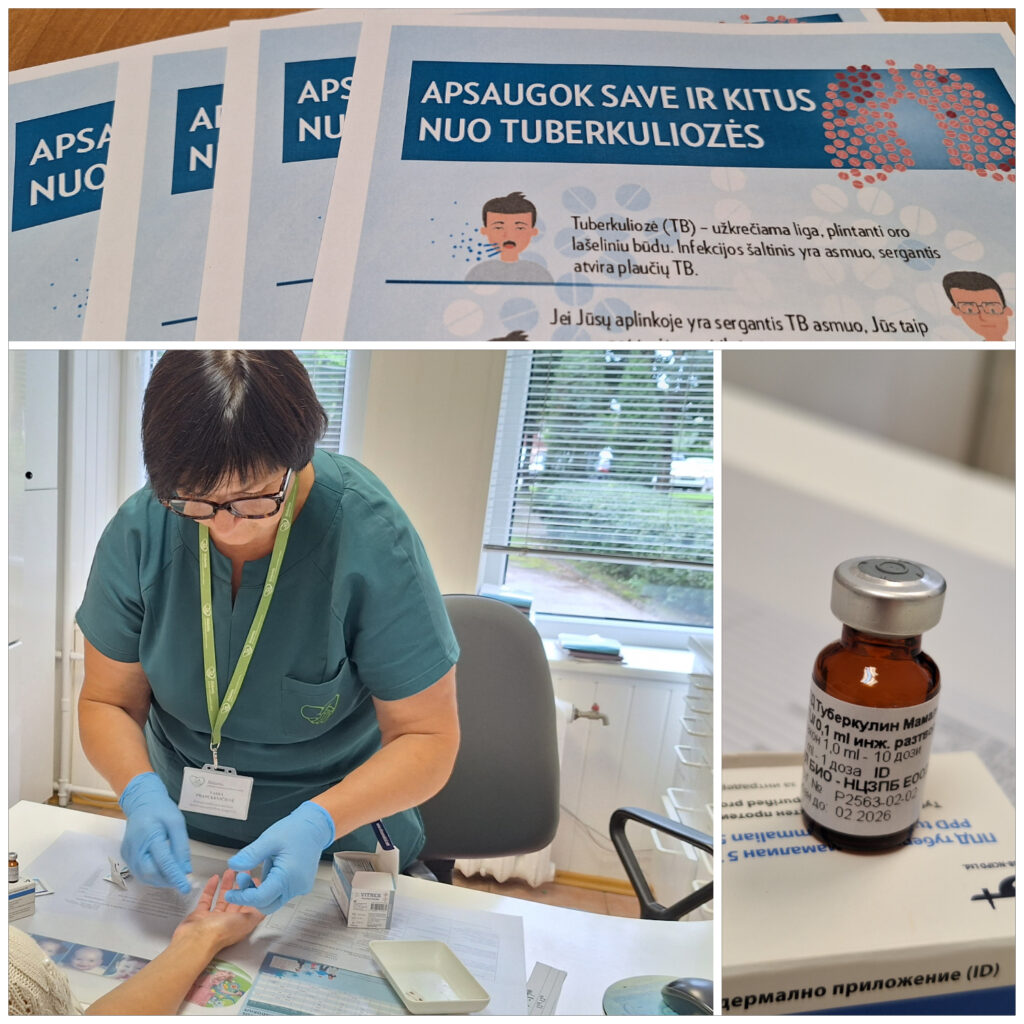
A tuberculin sample(Mantu test) is an early warning. To detect TB mycobacteria infection in time, children aged 6-7 years old before starting school and those at risk of TB (unvaccinated against TB, in contact with TB patients (family, team), frequent sufferers of upper respiratory tract diseases) should be given a Mantu test before they start attending school, chronically ill, on corticosteroid treatment, infected with human immunodeficiency virus (HIV) or other immunodeficiency conditions, from socially at-risk families, living in orphanages, children's homes, boarding schools, retirement homes, migrants, etc.) are subject to the Mantu test. It involves injecting a small dose of tuberculin into the skin and then, 48-72 hours later, a health professional assesses the skin's reaction. Experts at the National Centre for Public Health stress that a positive tuberculin sample does not mean that the child is sick. Such a test result may mean that the child has been infected with TB mycobacteria through close contact with a sick person, but the bacteria are not active in the child's body, they do not multiply and cause disease, the child does not show symptoms of the disease, the child is not contagious and therefore not a danger to others. In the event of a positive tuberculin sample, the family doctor or paediatrician will refer the child to a paediatric pulmonologist for a more detailed examination and, if necessary, treatment. It is important to know that early detection of infection can lead to prophylactic treatment and prevent the disease from developing.
Additional preventive measures include: limiting contact (the sick person should be isolated until recovery), a healthy environment (frequent ventilation, sufficient sunlight), strengthening immunity (balanced diet, physical activity, avoiding passive smoking), education (parents should recognise the signs of TB - prolonged coughing, fever, weight loss, night sweats).
Tuberculosis is a disease that can be prevented if we take responsible preventive measures. The BCG vaccine offers important protection against severe forms of TB, the Mantu test allows for early detection and timely treatment, and regular preventive check-ups, a healthy living environment and immunity boosting are the key measures to protect children from TB. A responsible approach to this disease is the best gift for children's health and safety.