Self-testing - a reliable step towards early detection of infections and responsible healthcare
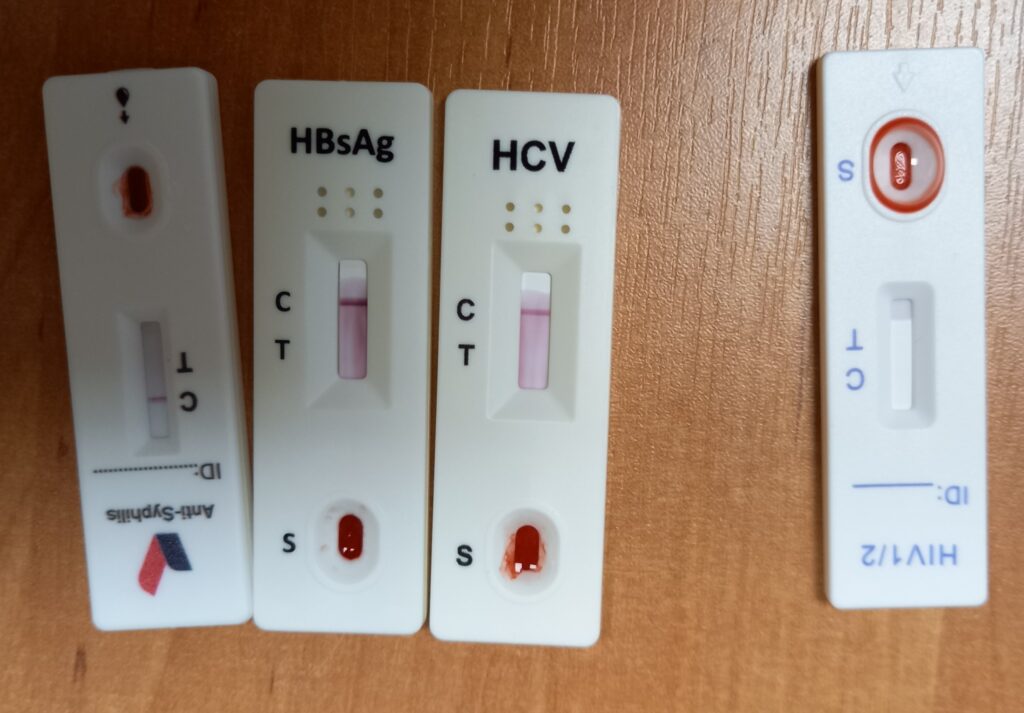
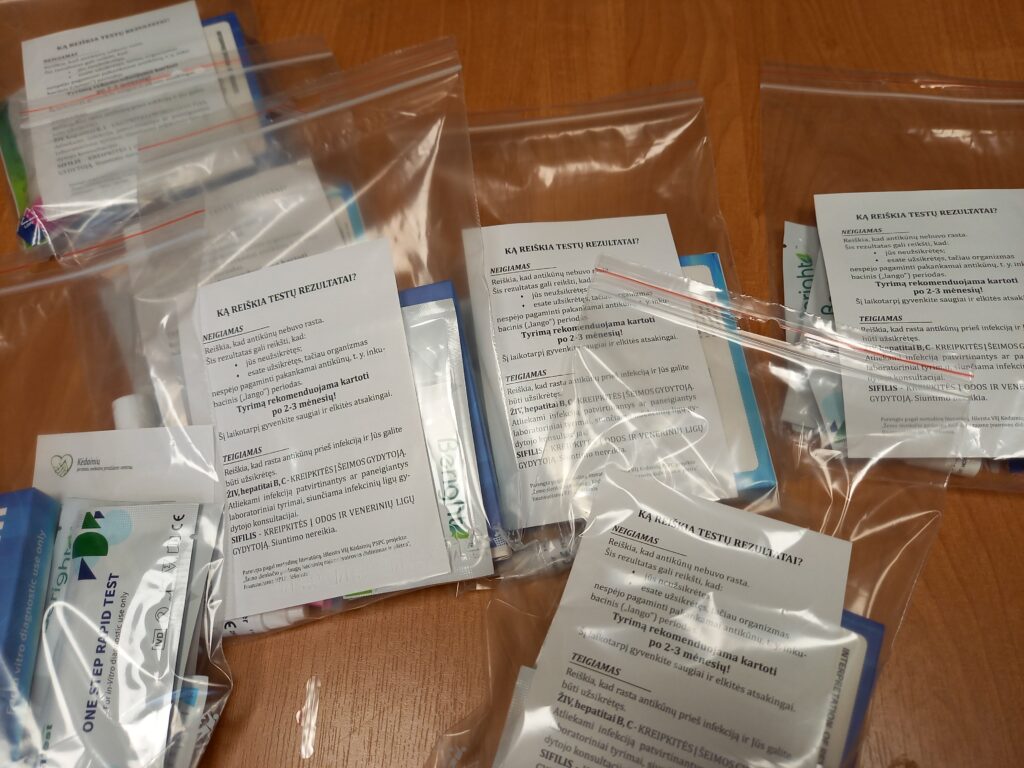
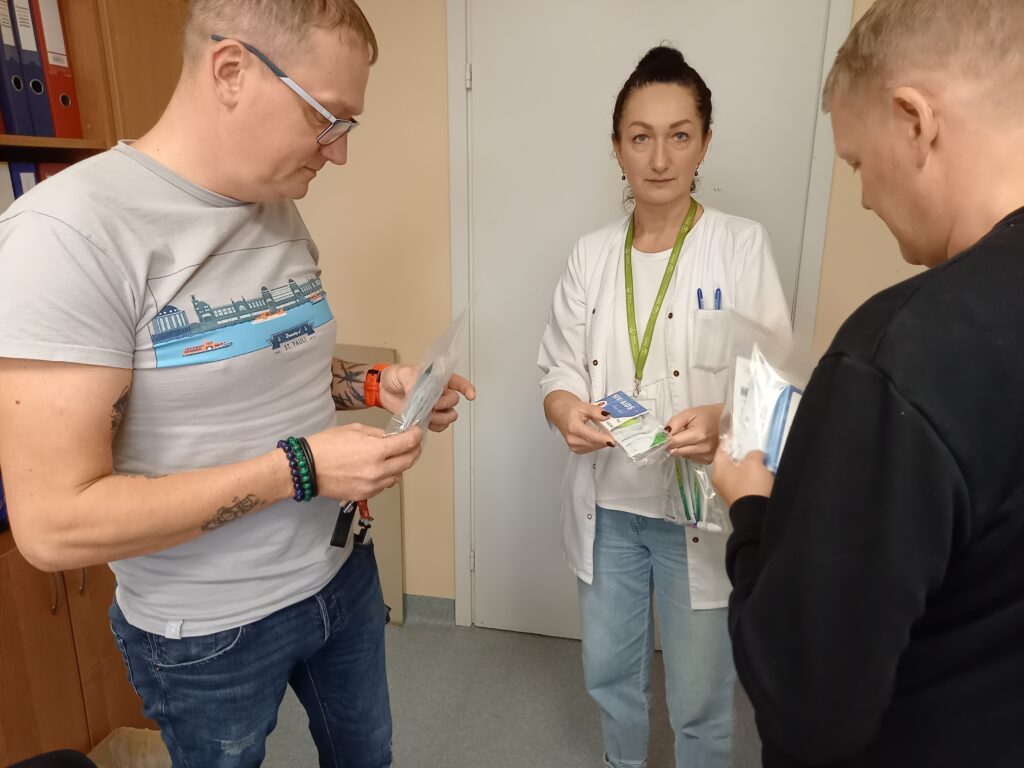
The implementation team of the project "Strengthening Low Threshold Services in Kėdainiai and Raseiniai Municipalities 2025" provides food support services to project participants who agree to undergo self-testing under the supervision of a low-threshold service worker. The distribution of self-tests for HIV and other communicable diseases (if possible with supervision of a low-threshold service office worker) is one of the planned activities of the project.
Thanks to the constant improvements in medical technology, more and more attention is being paid to self-testing - the ability for people to test themselves for infectious diseases without having to visit a doctor. This tool is becoming increasingly important in the fight against infections such as hepatitis B, hepatitis C, HIV and syphilis.
Modern society values speed, confidentiality and the ability to take care of one's own health. This is what self-testing offers - an important step towards earlier detection and more effective control of infections.
Why are self-tests becoming important?
1. Early detection is vital
Self-testing allows people to find out about possible infections early, often before symptoms appear. Early detection is particularly important for chronic infections, which can progress quietly over a long period of time and then lead to serious complications (e.g. cirrhosis of the liver or cancer in hepatitis C).
2. Accessibility for all, regardless of location or circumstances
People are not always able or willing to go to a health facility - because of their geographical location, work schedule, stigma or personal reasons. The self-test can be done at home, at any time, in confidence.
This is especially true:
- for people living in rural areas;
- People at risk (e.g. drug users, multiple sexual partners, MSM community);
- foreign nationals or migrants without access to national health services.
3. Reduced transmission of viruses in society
When the infection is detected earlier, the infected person can:
- start treatment,
- use protection (e.g. condoms),
- inform partners,
- reduce the risk of transmitting the infection to others.
This helps to manage the spread of infections at a societal level, reducing the number of cases and the long-term burden on health systems.
Important: self-test ≠ definitive diagnosis
While self-examination tests are a valuable first step, they are not a substitute for medical diagnosis.
A positive result means that laboratory confirmation is required.
A negative result does not mean that there is no infection - especially if the possible contact is recent(window period).
Therefore, every person who takes the self-test should:
- Follow the instructions carefully.
- Contact a medical facility for further tests or advice.
- Repeat the tests periodically, especially in the case of persistent risk.
Self-monitoring is not just a test, it's a responsibility
Self-tests encourage individuals to:
- take more active steps to improve your health,
- reducing health inequalities,
- raising awareness of sexually transmitted infections,
- contributes to the overall health of society.
It is an investment in a healthier future - both individually and as a society.
The project "Strengthening of Low Threshold Services in Kėdainiai and Raseiniai Municipalities 2025" is funded by the Republican Centre for Addiction Diseases.